It’s January 2025, and travel agents worldwide are most likely appearing on your social media news feeds, TV screens, and inboxes with tempting holiday deals.
Wildlife tourism can be a transformative experience, allowing us to connect with nature and witness the beauty of animals in their natural habitats. However, not all wildlife tourism is created equal or has the best interests of those animals we love in mind. For animal lovers, making ethical choices is essential to ensure that our interactions with wildlife do not cause harm.
If you are looking to make 2025 the year that you get out and see the wonderful wildlife that shares our planet with us, here are some things that you should consider.
Avoid Marine Mammal Parks
If you’re a long-time reader of my blog (or have come from a Google search), this consideration is probably one which is expected from me.
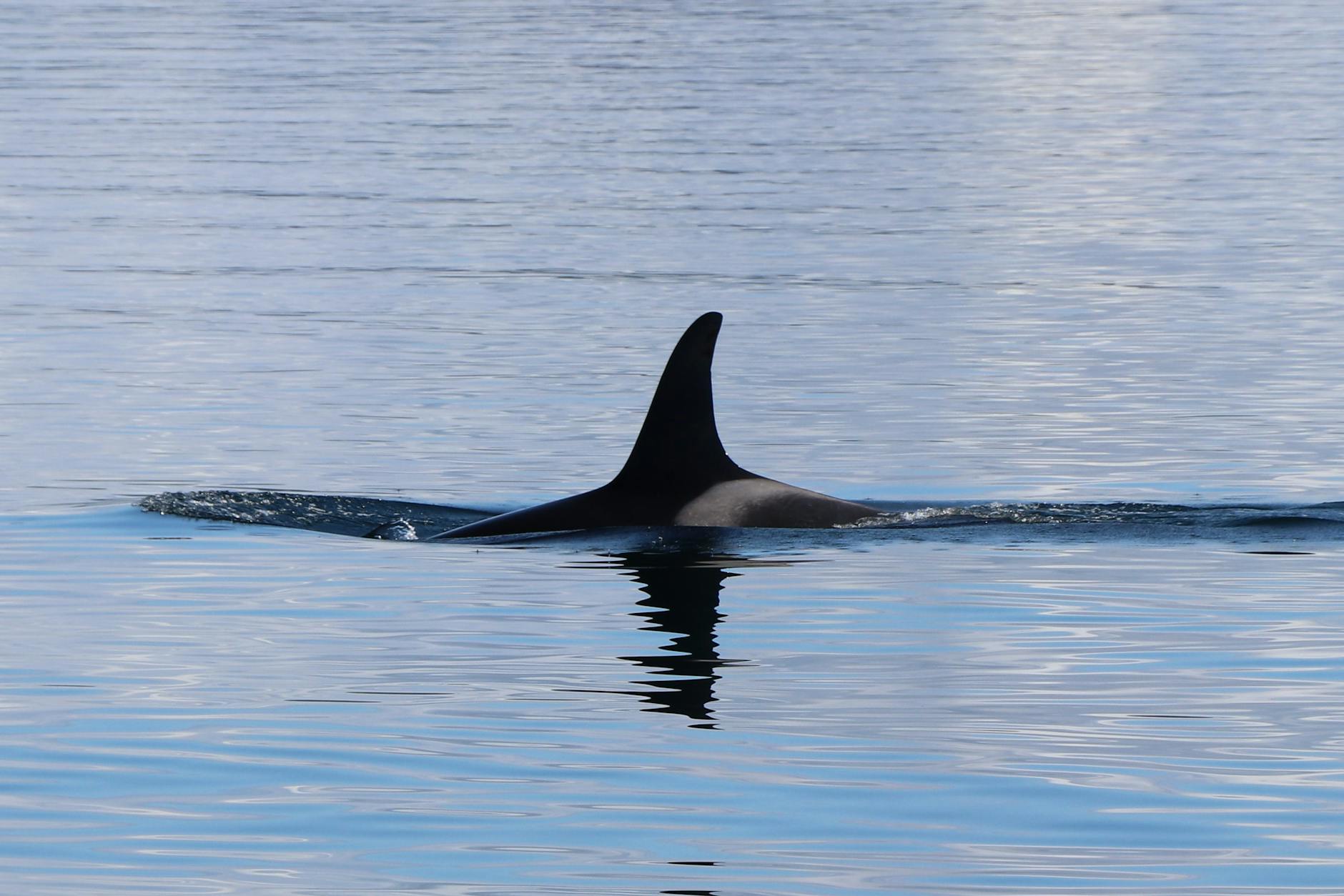
If you are looking to take an ethical wildlife-based holiday, don’t choose to go to a marine park. Facilities that keep marine mammals like orcas, dolphins, and seals in captivity often prioritise entertainment and financial gain over the well-being of the animals. It’s often easy to see this in action when looking at the tanks and environments where these incredible animals are kept.
These highly intelligent creatures are confined to small tanks that fail to meet their physical, social, and psychological needs.
My stance on this is clear: “Thanks, but no tanks.” Keeping marine mammals in captivity is cruel and unnecessary. Orcas, for example, are known to travel up to 100 miles a day in the wild. In contrast, they are often restricted to tanks that are only a fraction of their natural range, with no enrichment, and often with other orca types that they would never interact with in the wild.
The stress of captivity can lead to shortened lifespans, stereotypical behaviours which are repetitive, habitual actions that animals perform without a clear purpose such as logging on the surface or chewing the walls of their tanks, and health issues.
Instead, consider supporting marine sanctuaries that rehabilitate and release animals (where possible – not all captive animals will be suitable for release) or provide a permanent home for those who cannot return to the wild. Sanctuaries offer a more compassionate alternative, prioritising the animals’ welfare over human entertainment.
Choose Sanctuaries Over Zoos
Not all animal facilities are exploitative, but it’s crucial to distinguish between true sanctuaries and profit-driven operations masquerading as conservation centres. A genuine sanctuary focuses on rescuing animals, providing them with a safe environment, and never breeding or using them for commercial gain.
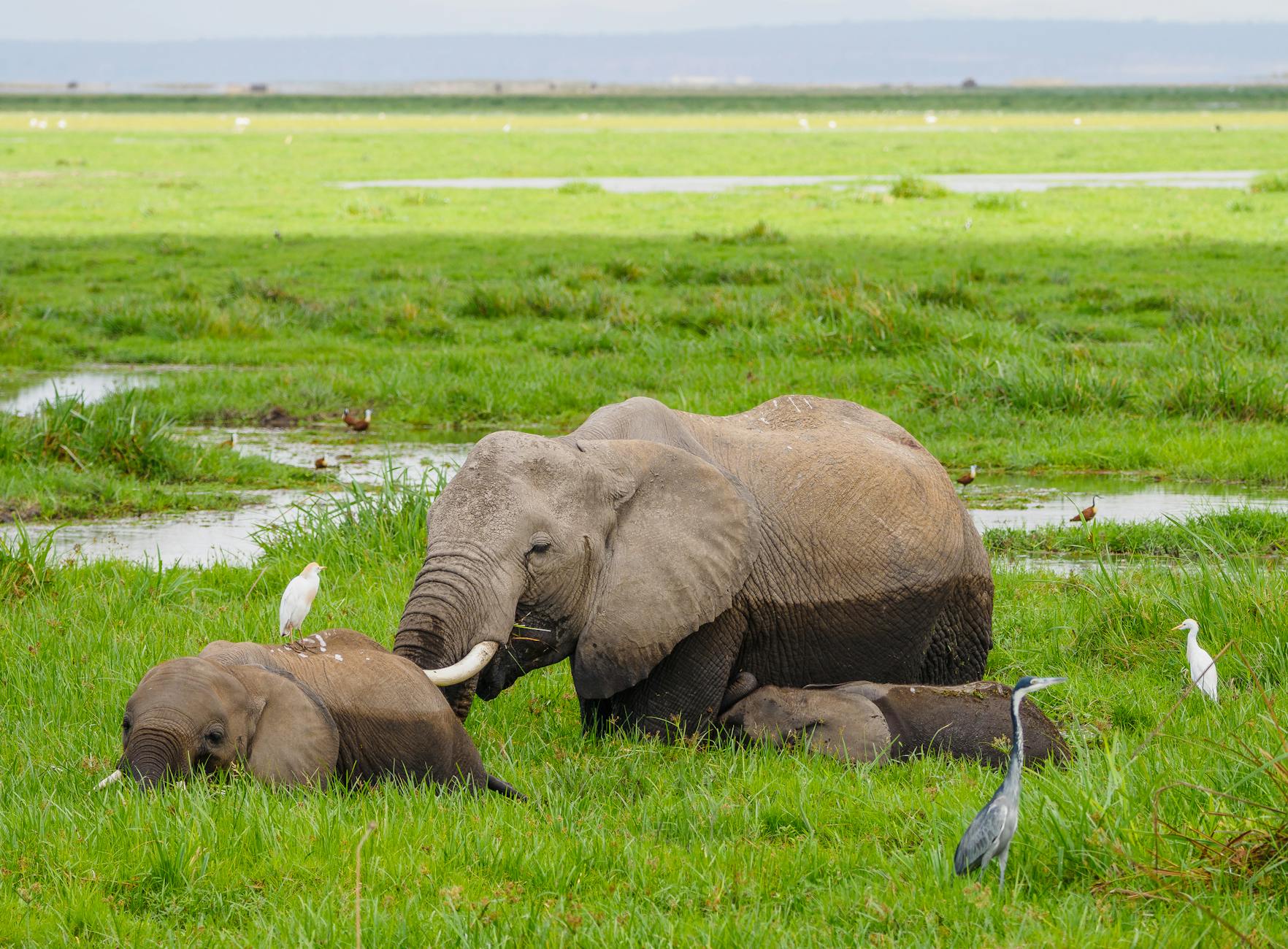
It is worth remembering that many sanctuaries won’t be able to guarantee you seeing the animals, as they will ensure their animals are comfortable – all encounters should be on the animal’s own terms.
When visiting a sanctuary, research its credentials. Are they transparent about their funding and operations? Do they allow direct contact with the animals, which can be stressful and harmful?
Ethical sanctuaries will always put the animals’ needs first.
Say No to Animal Rides
Riding elephants, camels, or even ostriches may seem like a fun, exciting activity, but it’s often harmful to the animals. Elephants, camels or even horses and donkeys used for rides, for example, are frequently subjected to cruel training methods and deprived of proper care.
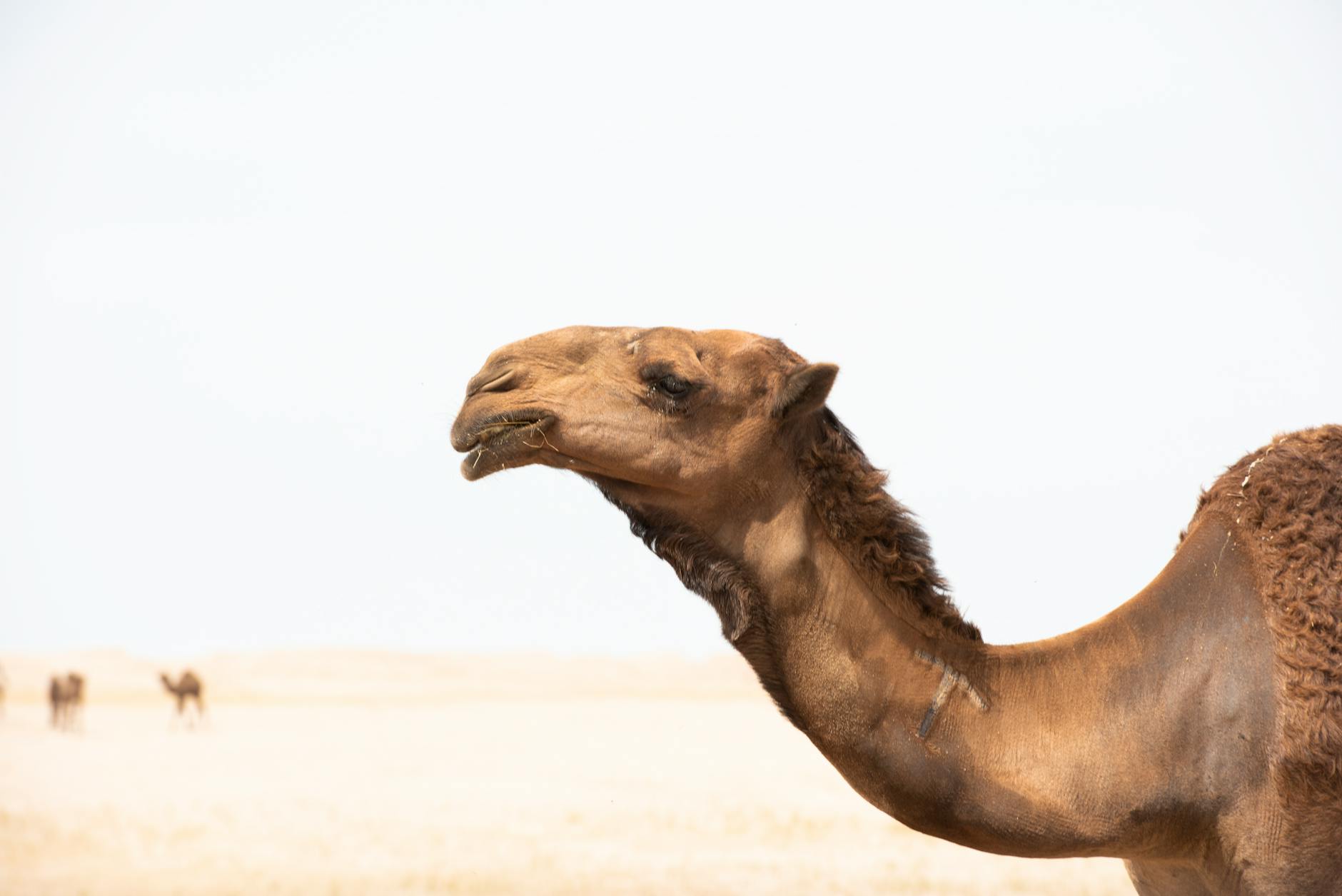
Instead, seek out experiences where you can observe these animals behaving naturally, such as on a guided safari.
Support Eco-Tourism
Eco-tourism is a fantastic way to enjoy wildlife responsibly. Look for tours and organisations that:
- Minimise environmental impact.
- Involve and benefit local communities.
- Educate participants about conservation efforts.
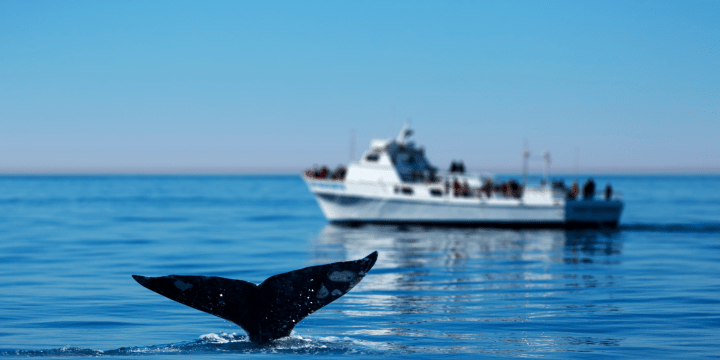
Whale-watching tours, for instance, can provide a breathtaking, natural experience without exploiting marine mammals. Ensure the operator follows ethical practices, such as maintaining a safe distance and avoiding disruption to the animal’s natural behaviours.
Avoid Hands-On Encounters
It can be tempting to cuddle a tiger cub or pose with a parrot on your shoulder, but these activities often come at a high cost to the animals.
Many animals used for photo opportunities are drugged, declawed, or taken from their mothers at a young age to be “tamed”. These practices can cause lifelong physical and emotional harm. Who wants a photo with a sad animal?
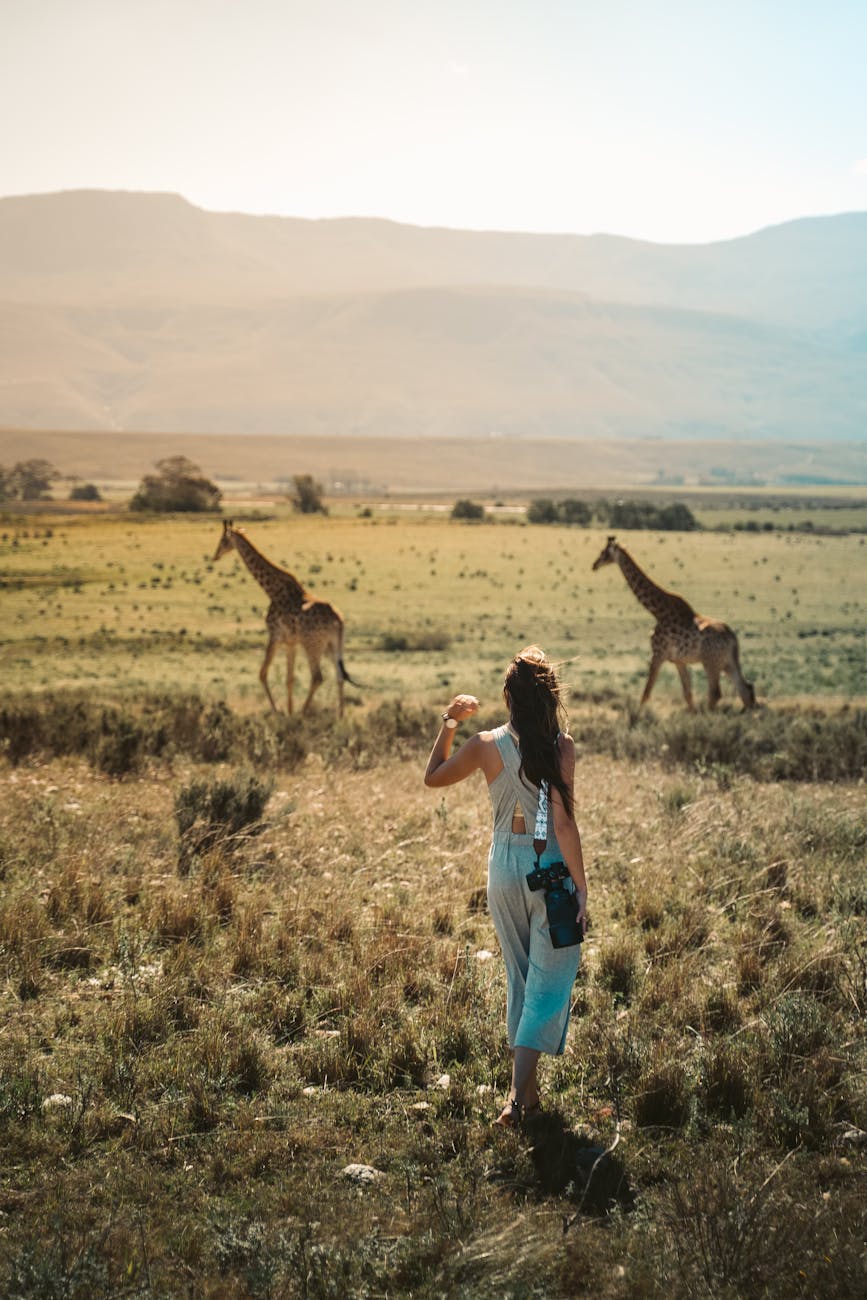
Instead, opt for experiences that allow you to observe animals from a distance. Respect their space and natural instincts, and avoid facilities that promote direct interaction.
Be a Conscious Consumer
Finally, remember that your choices as a tourist have a ripple effect. By refusing to support unethical wildlife tourism, you’re sending a message that exploitation is unacceptable.

Share your experiences and educate others about the importance of ethical tourism – word of mouth and writing reviews are the most valuable forms of communication. You wouldn’t go to a hotel with bad reviews, so why should this be any different?
Wildlife tourism should celebrate and protect the incredible creatures we share our planet with, not exploit them. By avoiding marine mammal parks, choosing sanctuaries over zoos, saying no to animal rides, and supporting eco-tourism, we can enjoy meaningful wildlife encounters while staying true to our love for animals.
The next time you plan a wildlife-related adventure, ask yourself: Does this activity prioritise the well-being of the animals? If the answer is no, remember my mantra: “Thanks, but no tanks.”
We can ensure that our love for animals translates into actions that actually honour and protect them.

 Excuse This Honesty